
Termites, Cockroaches And Spiders can run but they can't hide from Micropest Pest Control Sydney.
Termites, Cockroaches And Spiders can run but they can't hide from Micropest Pest Control Sydney.





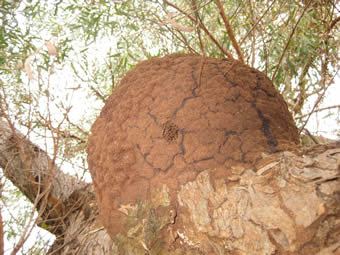
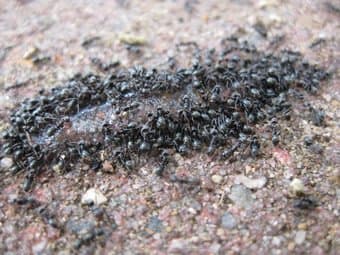
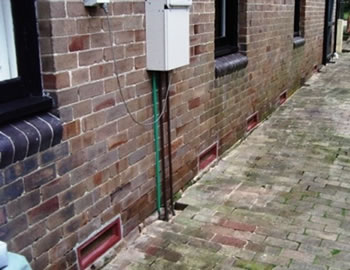
|
Leeches by Micropest Pest ControlLeeches are flattened, segmented worms, found mostly in freshwater environments, with a few species found on land and in marine environments. They survive by eating small invertebrates and by sucking blood from both vertebrates and invertebrates. Utilising leeches to suck blood has been used in medicine since ancient times and continues into the present day for specialised purposes. 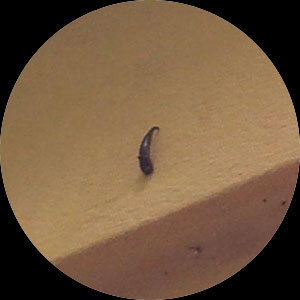 Land leeches are common in rain forest environments, where they live on the ground or in low foliage. Most cannot swim but can survive periods in the water. Freshwater leeches prefer stagnant or slow-moving water but have been found in fast-flowing water. Some species can be found in both land and aquatic habitats. They are not found in arid habitats. The Australian land leech has two jaws and makes a V-shaped incision, different to most species, which usually have three jaws and make a Y-shaped incision. Leeches can vary in size from seven millimetres to three hundred millimetres. A terrestrial leech will attach to a passing victim as it scrapes past whatever the leech is attached to. Sydney's suburban sprawl has resulted in leech populations living very close to human populations, exposing domestic animals and humans to them more often. They are sometimes brought home unwittingly from bush walks and other travels. When sucking blood from a host, leeches bite the exposed skin and secrete an anticoagulant to keep the blood from clotting, and an anaesthetic, which stops the host from noticing the injury. The leech may remain attached for periods ranging from twenty minutes to two hours. Once full, the leech detaches and drops to the ground, leaving a wound that may continue to bleed for hours, or days, due to the anti-clotting effect of the anticoagulant. The wound should be cleaned with soap and water and bandaged. The blood loss from a single leech bite is not considered dangerous for a healthy person, although some people will experience severe allergic or anaphylactic reactions to leech bites and will require urgent medical treatment. Symptoms can include difficulty breathing, feeling faint, swelling around the lips or eyes, or itchy skin rashes. Leeches normal carry parasites in their digestive tracts, none of which are a threat to humans, but parasites, bacteria and viruses from previous victims can survive for months inside their digestive tracts. There have been only a few reported cases of diseases being transmitted by leech bites, but leeches in Cameroon have been identified as carrying both Hepatitis B and HIV. An attached leech can be scraped off with a blunt, flat object such as a fingernail from both ends consecutively, breaking the connection the leech has with the skin and allowing the leech to be flicked away. Methods not advised for the removal of leeches include the application of flame, salt, soap, or any of a number of liquids, including alcohol, soft drinks, vinegar, lemon juice or insect repellent, because the leech may regurgitate its stomach contents into the open wound, injecting the victim with whatever pathogens it may have been otherwise harmlessly carrying. Not all leeches can bite, with 90% feeding on decomposing bodies and open wounds on passing animals, including humans. When their preferred type of blood is not available to feed on, most leeches will feed like parasites on fish, frogs, turtles or birds. Leeches are hermaphrodites and reproduce sexually. The leech will secrete a tough, gelatinous cocoon into which the eggs are deposited and sealed. The cocoon is attached to a rock, log or leaf, and the young emerge in months or weeks as miniature adults. Studies have shown that leech egg cocoons are rugged enough to survive a trip through a ducks digestive system. Our Locations WahroongaAddress: 24/24-36 Pacific Highway, Wahroonga N.S.W 2076 Phone:1300 243 377 Hours: Open 7 days, 7 am–10 pm We provide the same day emergency services for the Upper North Shore suburbs of Wahroonga, Pymble, Hornsby, Turramurra, Westleigh and Thornleigh. BerowraAddress:111 Yallambee Road Berowra, Sydney N.S.W 2081. Phone:(02) 9489 0013 Hours: Open 7 days, 7 am–10 pm We provide the same day emergency services for Berowra, Galston, Arcadia, Brooklyn, Mt White, Mt Colah and Asquith. ArtarmonAddress: 43 Whiting St, Artarmon NSW 2064 Phone:1300 884 166 Hours: Open 7 days, 7 am–10 pm We provide the same day emergency services for the Lower North Shore suburbs of Artarmon, Chatswood, Lane Cove, Roseville, Lindfield, Killara, North Sydney, Neutral Bay, North Bridge and Castlecrag. |
|
||||||||